
“I felt so, so alone, joined the Hope Programme and realised... I wasn’t”
— Hope Programme for IIH participant
Hope Programme for Idiopathic intracranial hypertension (IIH)
Idiopathic intracranial hypertension (IIH) is a rare neurological condition caused by raised pressure around the brain. It can cause severe headaches, visual symptoms, fatigue, tinnitus, brain fog and, in some cases, sight loss. It can also affect confidence, mood, work, family life and day-to-day wellbeing.
The Hope Programme for IIH is a six-session, online self-management course co-designed with IIH UK, people who live with IIH and healthcare professionals. It gives people practical tools, peer support and a safe space to learn how to manage the emotional, social and practical impact of living with IIH.
The course is flexible and peer-supported. Participants work through weekly online sessions at their own pace, join discussions with others living with IIH, and can attend optional live Hope Cafés. Trained volunteer facilitators with lived experience of IIH support the group throughout.
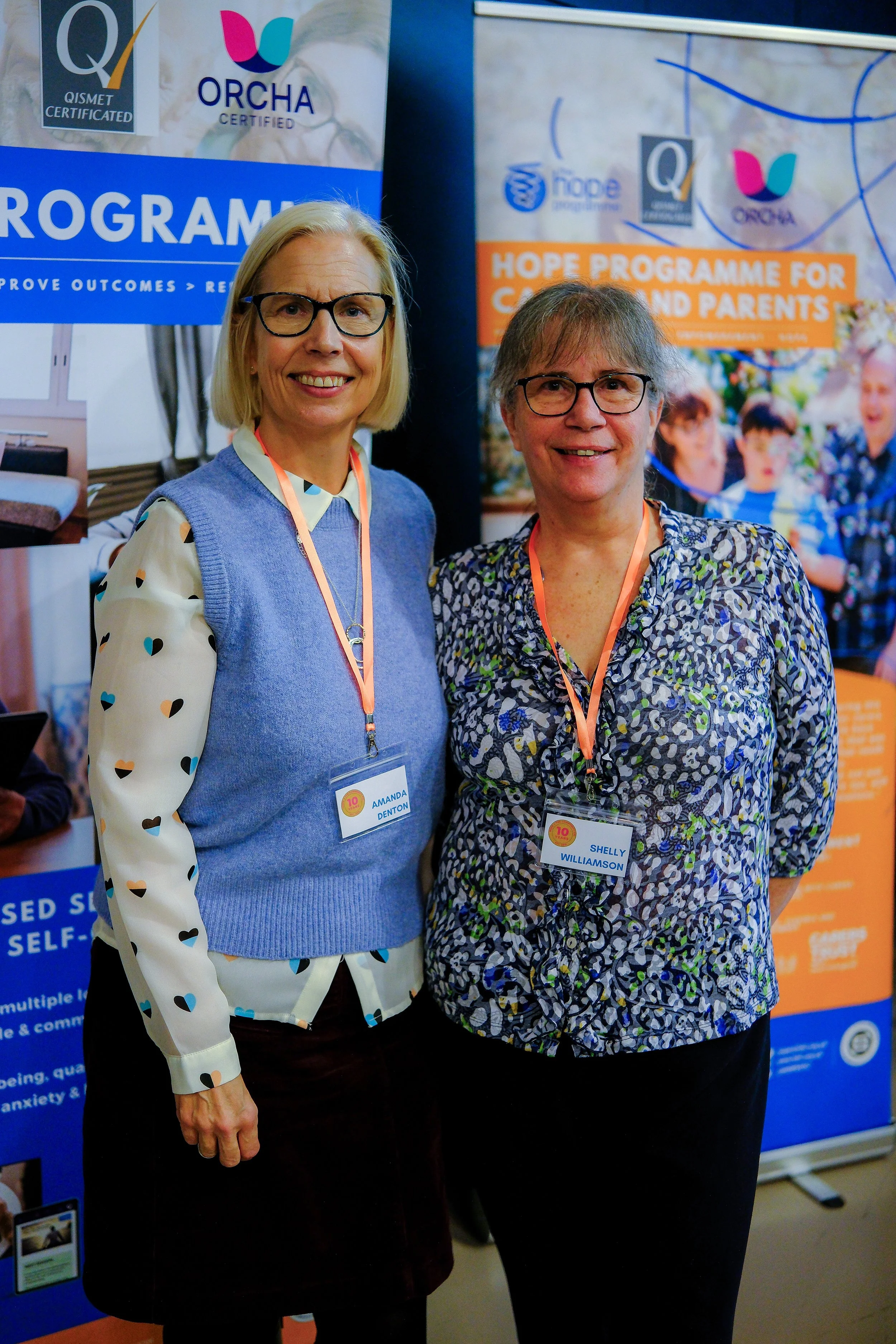
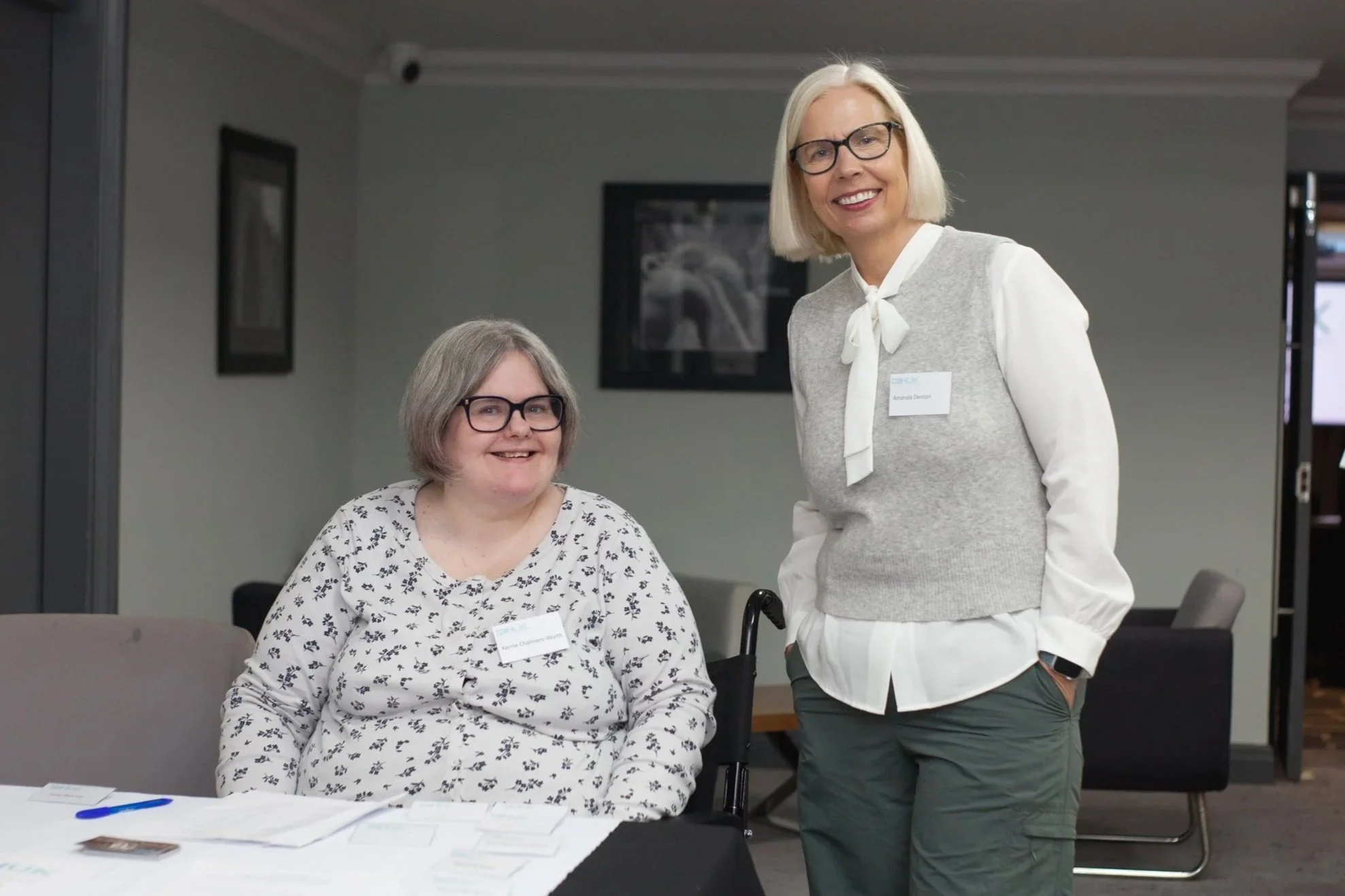
We thank Amanda Denton, Shelly Williamson and Kerry Chalmers-Worth, IIH UK trustees and trained Hope Programme facilitators, for their contribution to developing and delivering the programme.
We also thank IIH UK for its continued partnership, support and commitment to improving the lives of people living with IIH and their families.


Impact to date
The Hope Programme for IIH was co-designed and developed with funding support from the National Lottery Community Fund grant in 2021. It started in 2022 and its delivery has been sustained by direct funding and volunteer facilitation from IIH UK.
Since launching in 2022, the Hope Programme for IIH has reached more than 800 people, including parents of children living with IIH.
A 2026 evaluation included 454 people enrolled on 11 programmes delivered between 2022 and 2025. It found promising improvements in mental wellbeing, which were largely maintained between 12 and 50 months after the programme ended.
The evaluation concluded that the Hope Programme has the potential to provide scalable, acceptable and low-burden self-management support for people living with IIH.
Read the full evaluation report, including the findings, participant feedback, recommendations and limitations.
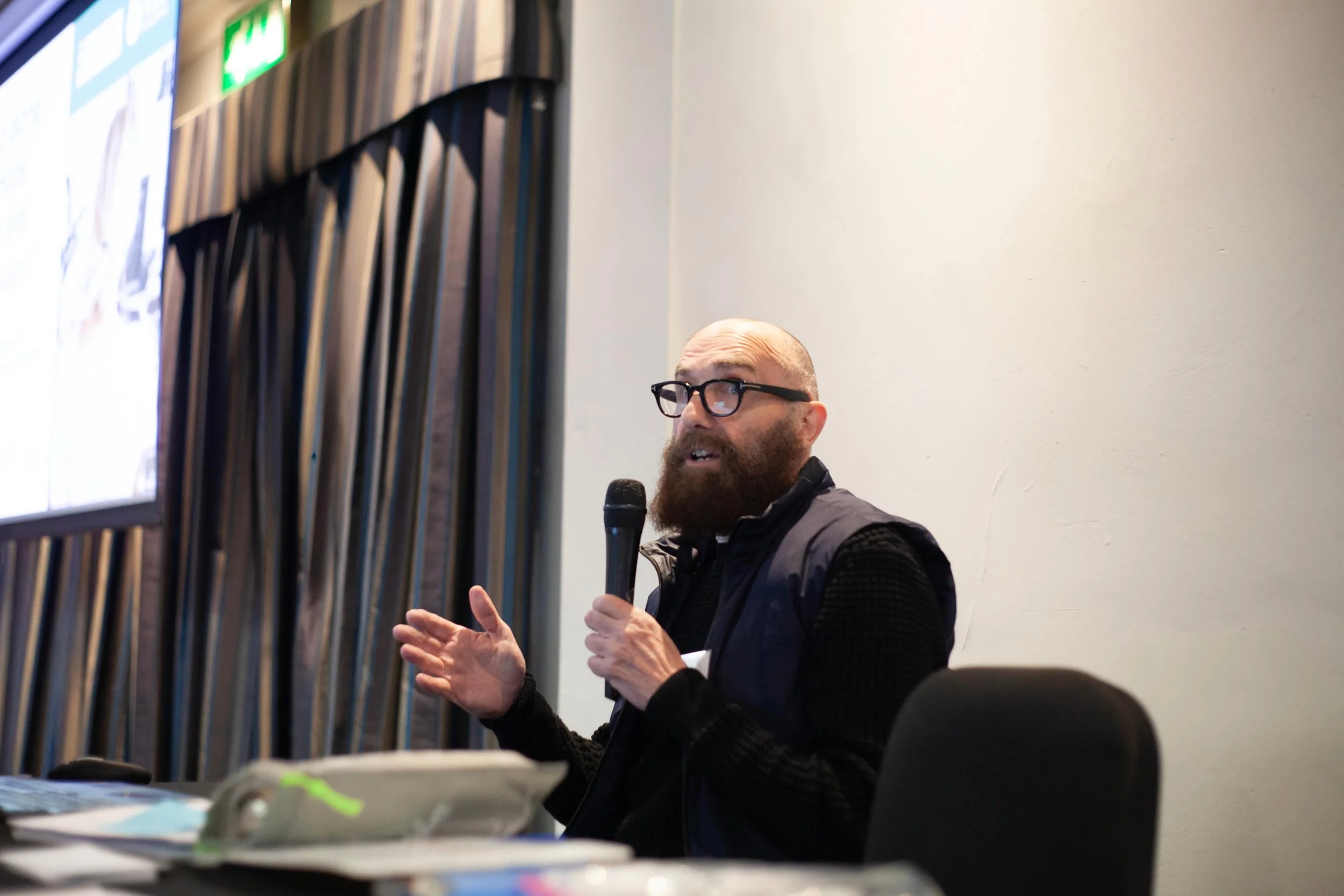
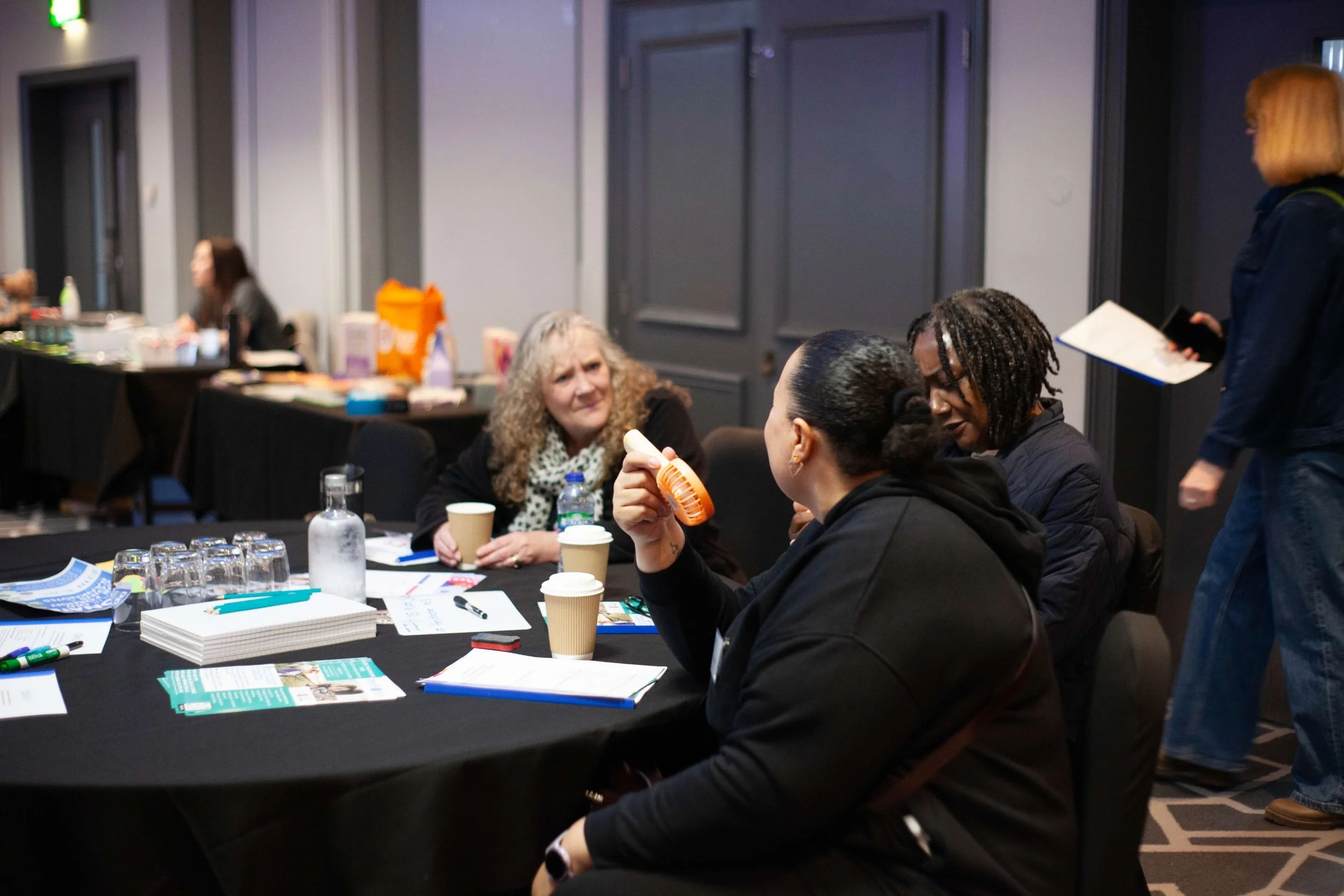
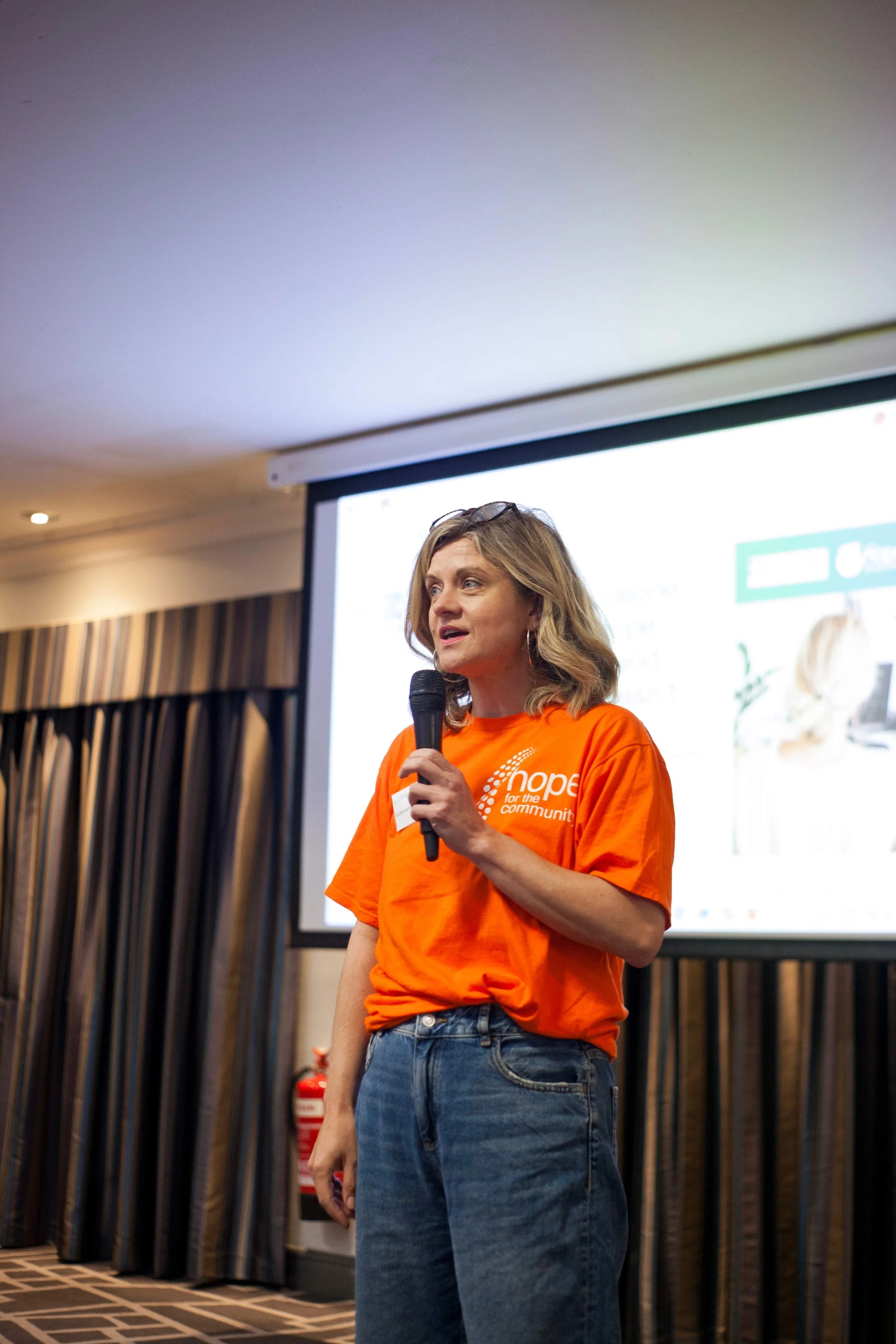
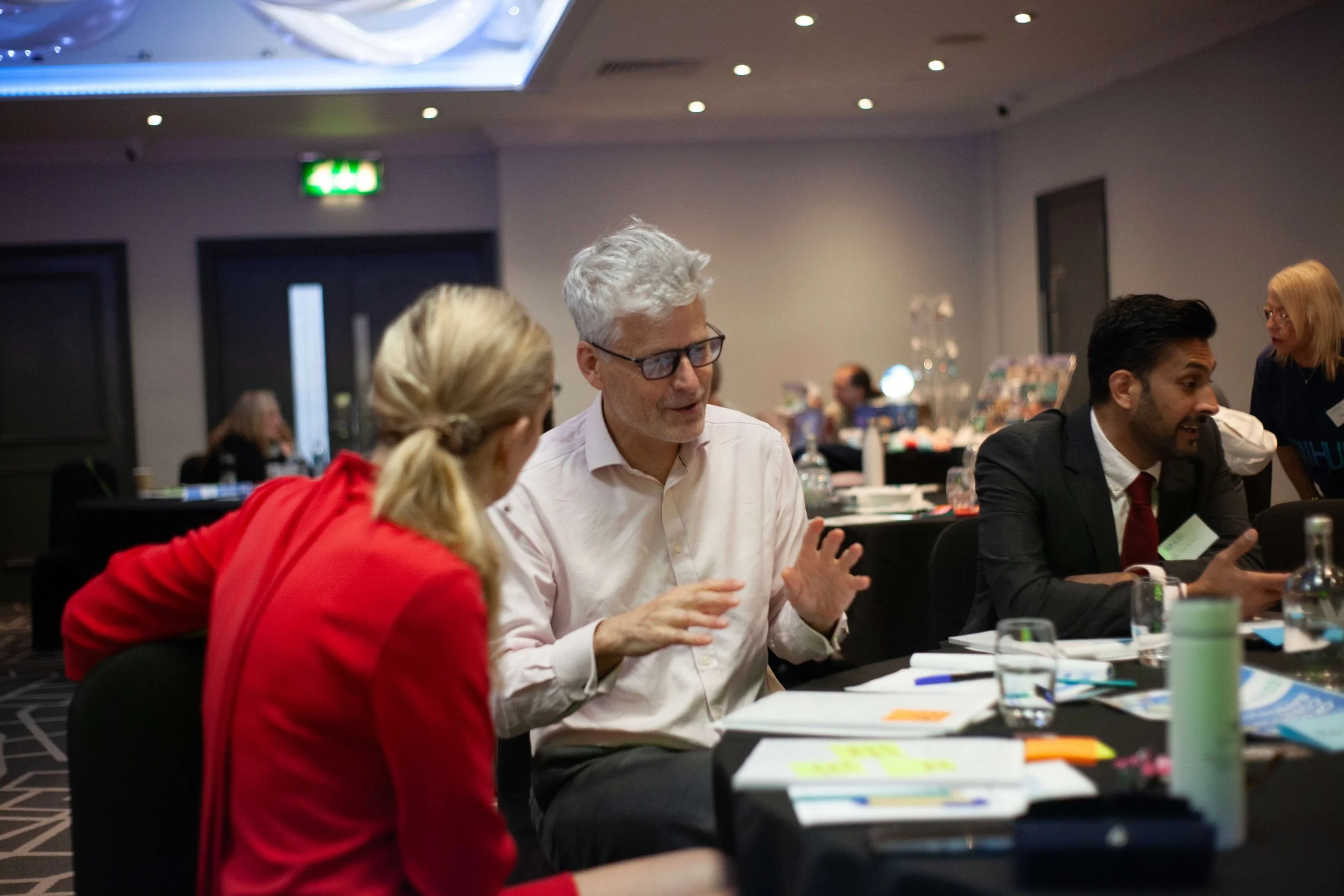
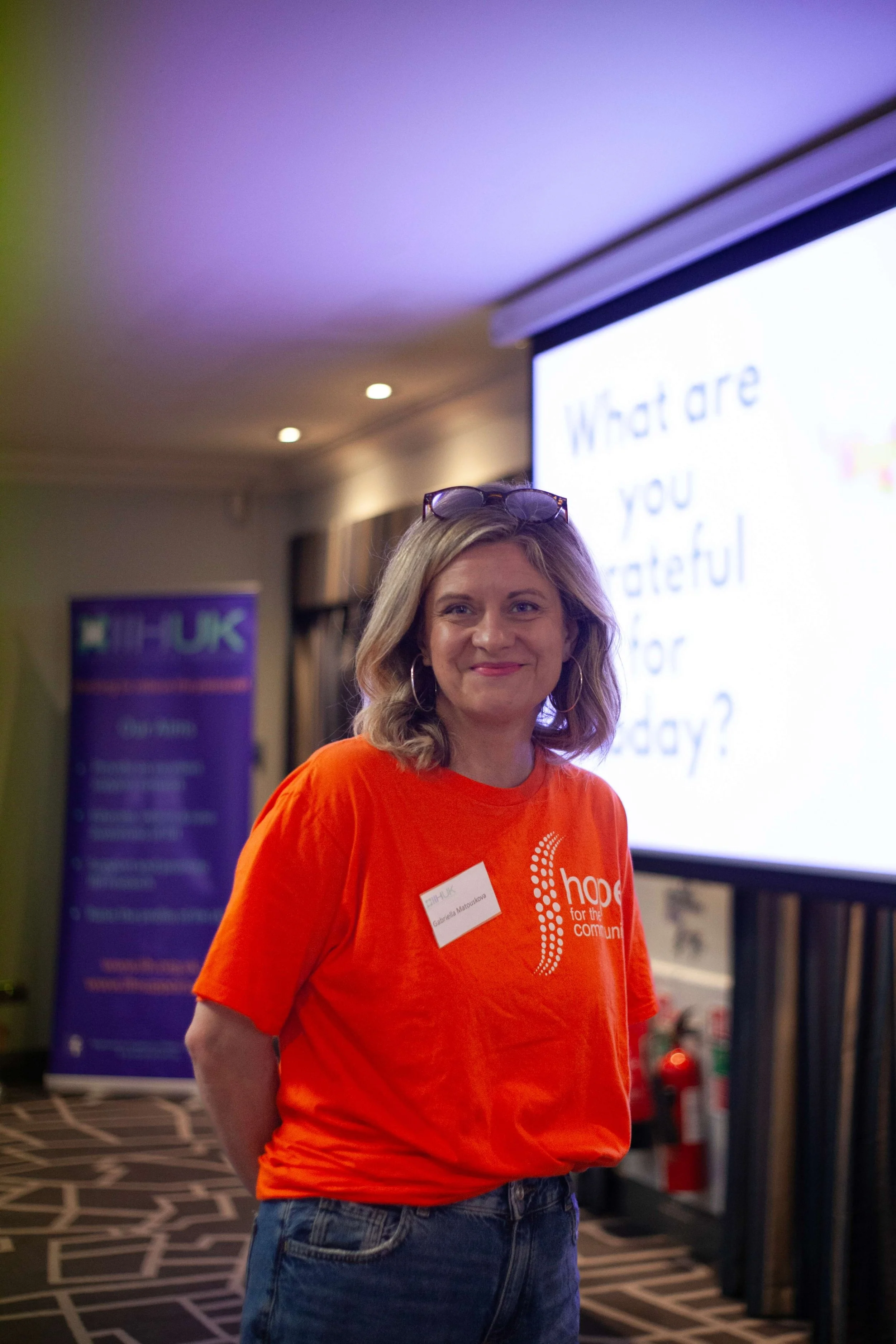
The report findings were presented by Professor Andy Turner, Professor of Health Psychology, Coventry University and Research and Evaluation Lead, Hope 4 The Community CI,C at IIH UK annual national conference hosted in Coventry.
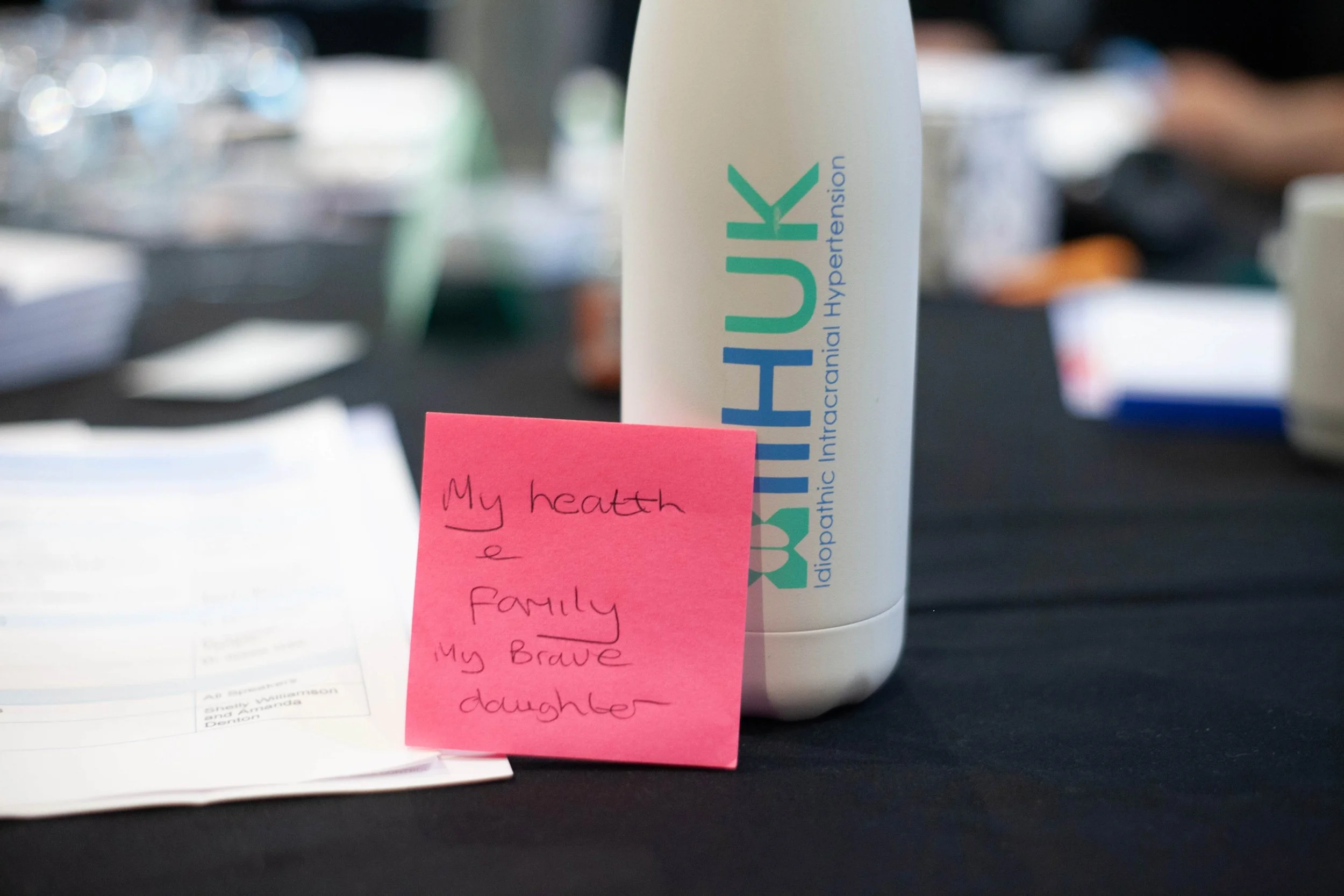
From our Hope Programme for IIH participant“It’s meaning that I can stay at work... using the techniques... I get there... I don’t think I’d be where I am today if I hadn’t done the Hope course... it’s helped me... one, come to terms with what I’ve got, and learning how to live with it. And not letting it rule my life.”
Hope stories