
June's Hope story
Supporting others, growing myself: my experience as a HOPE volunteer facilitator and co-ordinator
by June Cochrane
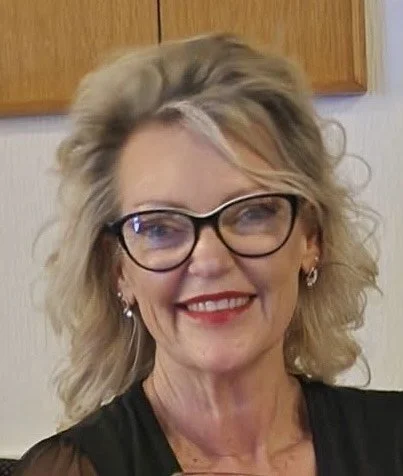
When I first joined the Hope Programme (HOPE) four years ago, I had no idea how much it would change me. Since then, I’ve helped facilitate 10 courses and support 542 people living with long-‑term conditions, long COVID and hip and knee pain — all designed to help them build confidence, resilience, and wellbeing.
What started as a volunteering opportunity has become a big part of my life. Beyond running sessions, I also co‑ordinate our amazing volunteer facilitators, keeping everyone supported and connected as the programme grows and evolves.
Why I chose to volunteer
I was drawn to HOPE because of its strengths based, person-centred approach. I wanted to support people living with long‑term conditions — to help them feel less isolated and more confident about managing their own health and wellbeing.
Volunteering with HOPE has allowed me to make a real difference, build meaningful connections, and keep learning and growing. Over time, it’s become not just something I do, but part of who I am.
Learning the HOPE way
Before facilitating, I completed the NHS England mandatory training, followed by the HOPE facilitator training. It gave me everything I needed to create safe, supportive spaces where people feel heard, understood, and encouraged.
We also take regular refresher sessions whenever new courses or materials are introduced — a great way to stay confident and connected as a team. As the volunteer co‑ordinator, I help others keep up to date and find their feet in the role.
NHS England encourages staff to volunteer by offering paid time each year for community work. I like to split mine between HOPE and another volunteer project — it’s a lovely balance that lets me support two causes close to my heart.
What it’s like to facilitate
Every HOPE course is different, but they all share one thing — a sense of community. My role is to welcome participants, guide conversations, and help people discover their own strengths. Over six to eight weeks, you can see the difference — people start to open up, set goals, and believe in themselves again.
As co‑ordinator, I also run peer support meetings for our volunteer team, share updates, and offer a listening ear. It’s rewarding to watch new facilitators grow in confidence and take pride in what they do.
How it’s changed me
Through HOPE, I’ve seen participants gain confidence, make new friends, and find hope again. Witnessing those changes inspires me every single time.
Personally, the experience has helped me grow too — improving my communication, leadership, and empathy. The skills I’ve developed through facilitation spill over into my NHS role and have boosted my confidence there as well.
More importantly, HOPE keeps me grounded. Amid the challenges of working in healthcare, these sessions remind me why I do what I do — to help people feel heard, supported, and valued.
Looking back
Balancing different needs within a group can be challenging, and sometimes the emotional moments stay with you. But the rewards far outweigh the challenges. The sense of connection, the shared laughter, and the small wins make it all worthwhile.
After four years with the HOPE Programme, I’ve seen how powerful community support can be — not just for participants, but for facilitators too. I’m proud to be part of something that gives people both tools and hope for a better future.
“May your choices reflect your hopes, not your fears.”