“I was told I had all these things wrong with me. I felt like I was the only person in the UK with it.”
— Hope Programme for PMOS participant
Polyendocrine metabolic ovarian syndrome (PMOS)
On 12th May 2026, after more than a decade of global consultation, polycystic ovary syndrome (PCOS) – a condition that affects 1 in 8 people – has been renamed. The hormonal disorder, estimated to impact 170 million worldwide, will now be known as polyendocrine metabolic ovarian syndrome (PMOS).
The name change was published in the Lancet and announced at the European Congress of Endocrinology in Prague, after 14 years of collaboration between international societies and patient groups across six continents.
Over the coming months, we will be changing our Hope PCOS resources, including our course name and content, website and promotional materials to include both names as part of the transition process.
Impact to date
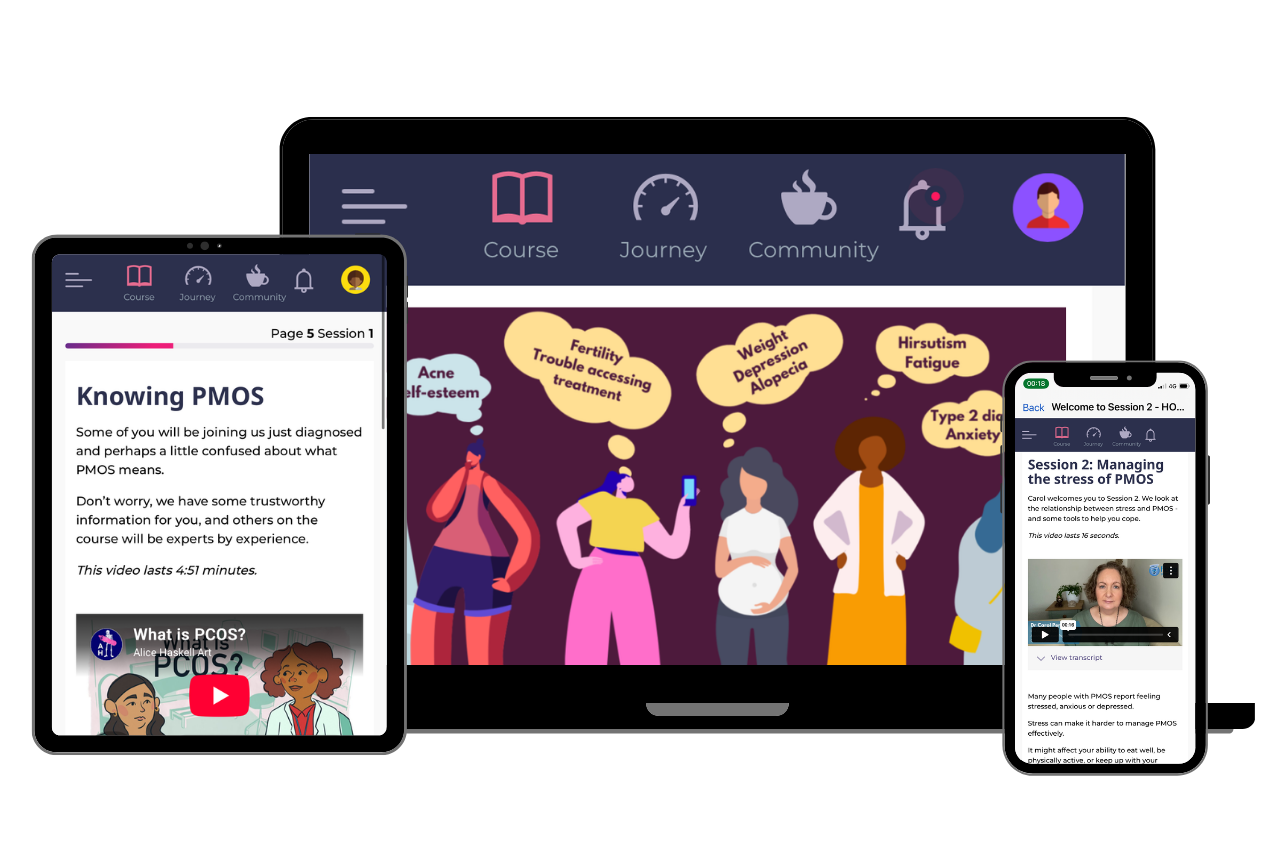
The Hope for PMOS Programme was co-designed with people living with PMOS, patient representatives, healthcare professionals and researchers. This work identified barriers to self-management and mental wellbeing and used them to develop a six-session digital programme.
An early proof-of-concept study found that online recruitment and delivery were feasible, with signs that the programme was acceptable and could support anxiety, depression and positive wellbeing. The programme was then tested through a registered feasibility randomised controlled trial involving 131 participants. This research has helped refine the programme and inform future evaluation.
The research was led by Dr Carol Percy, Assistant Professor in Psychology at Coventry University. It was supported by a Child Development Fund Research Grant from The Waterloo Foundation (Ref no. 1423-5084) and delivered in partnership with Verity PCOS charity and Hope 4 The Community CIC.
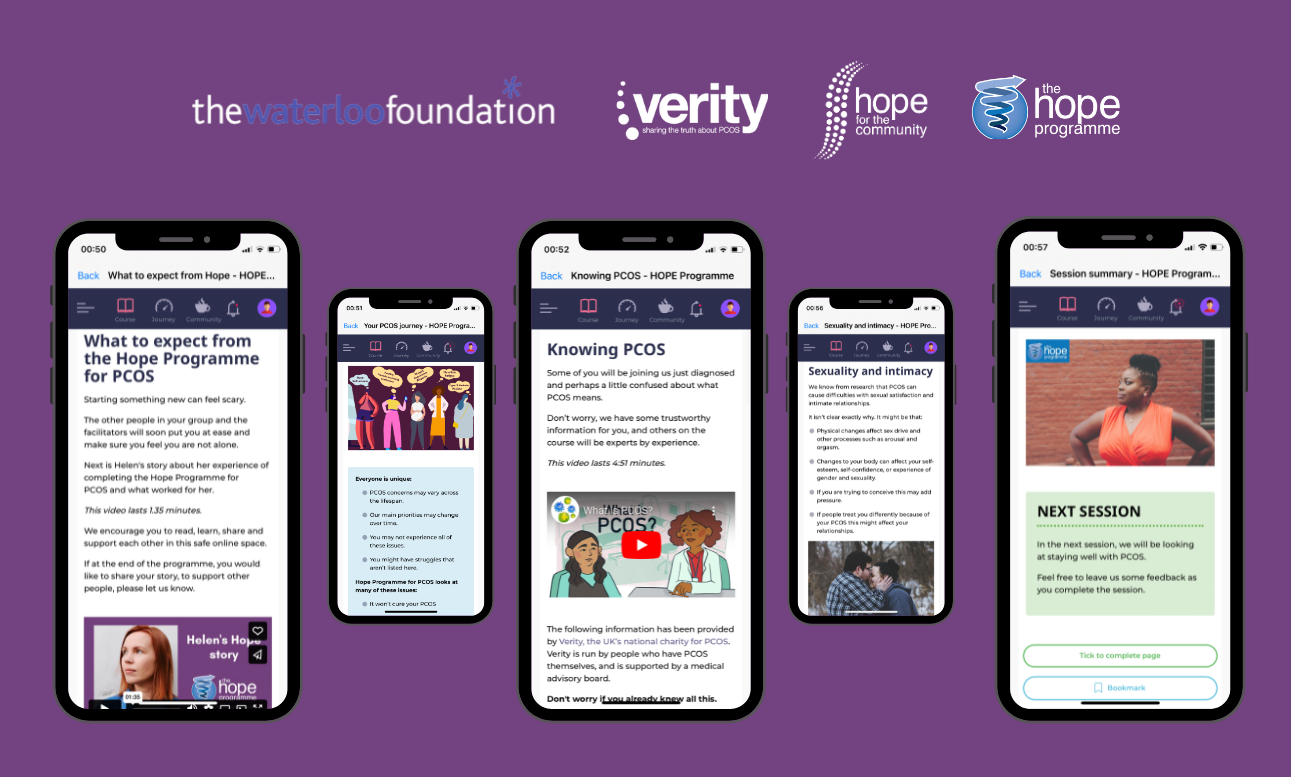
From our Hope Programme for PMOS participant“I loved it! It took into account things like self-confidence that PMOS really badly affects. Really good, practical, information about the struggles that we go through daily. And learning how to like yourself. I’m so pleased that was included. I’ve never had anyone in the medical profession talk to me about that, it was a pleasant surprise!”
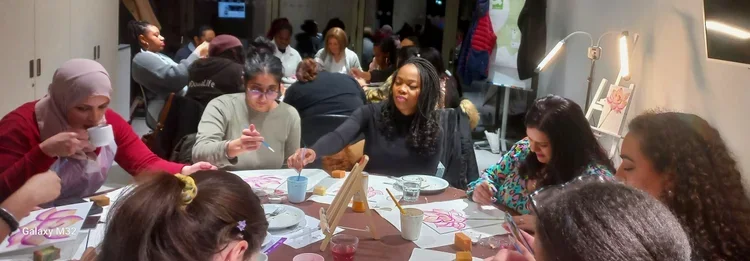
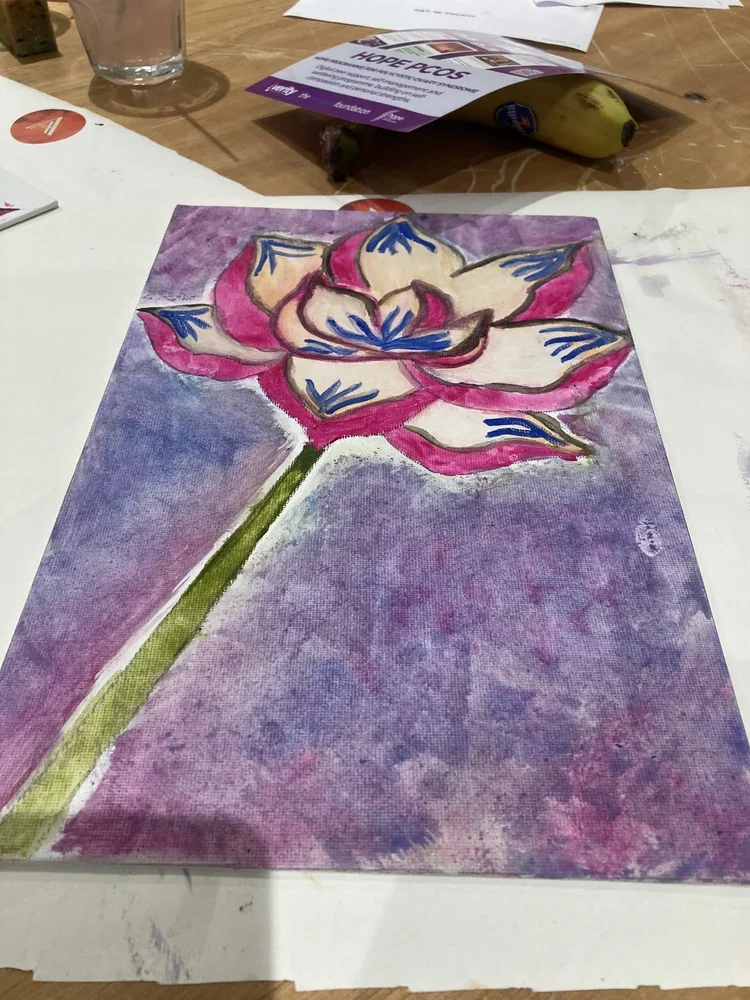
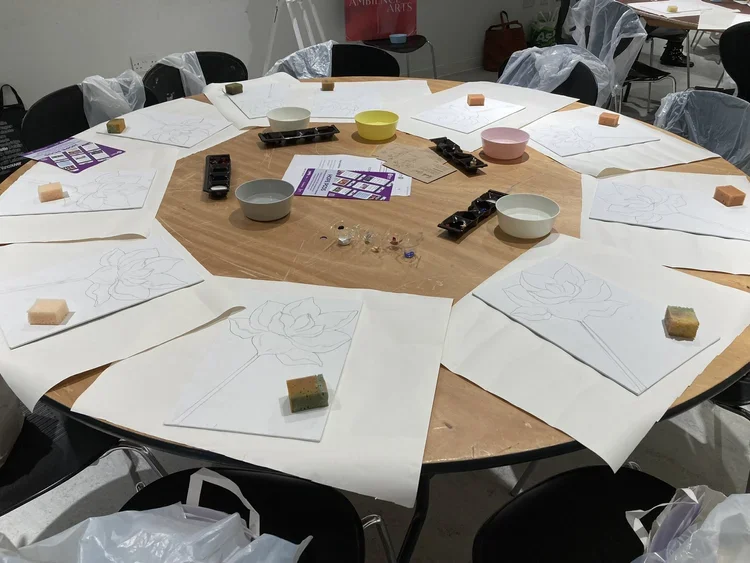
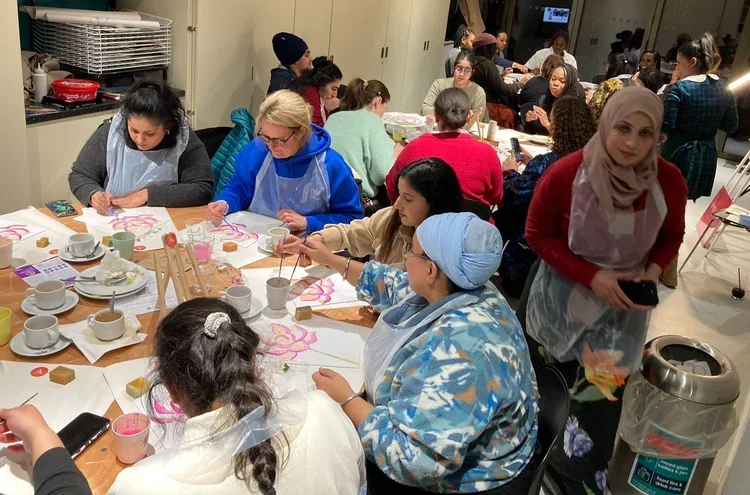
Hope PMOS paint and sip event
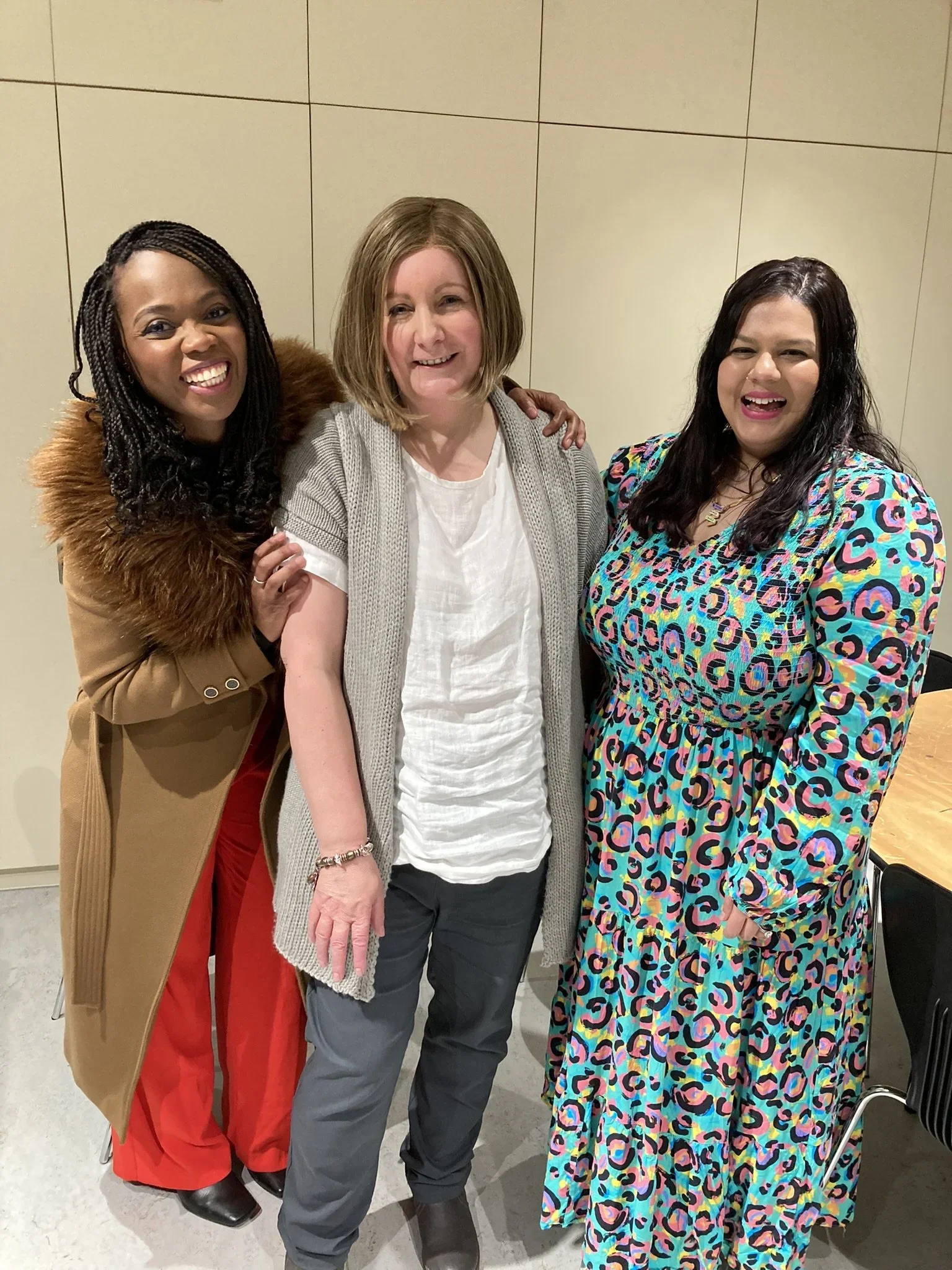
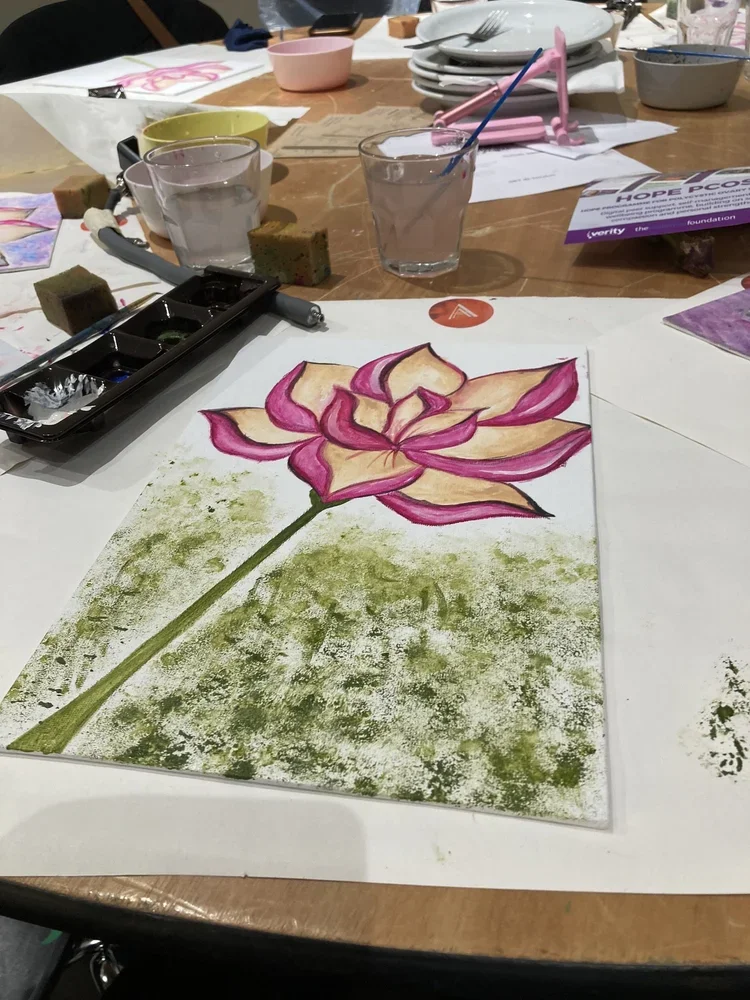
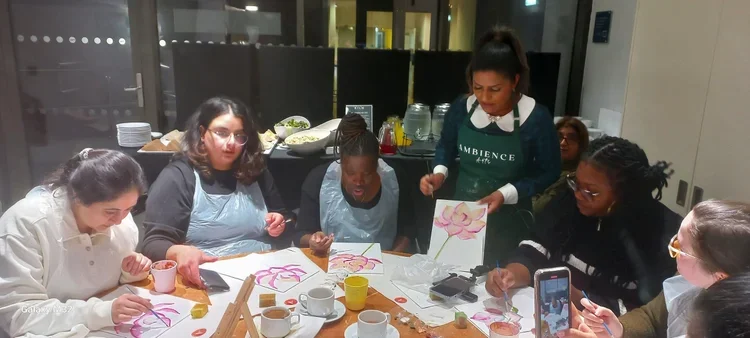
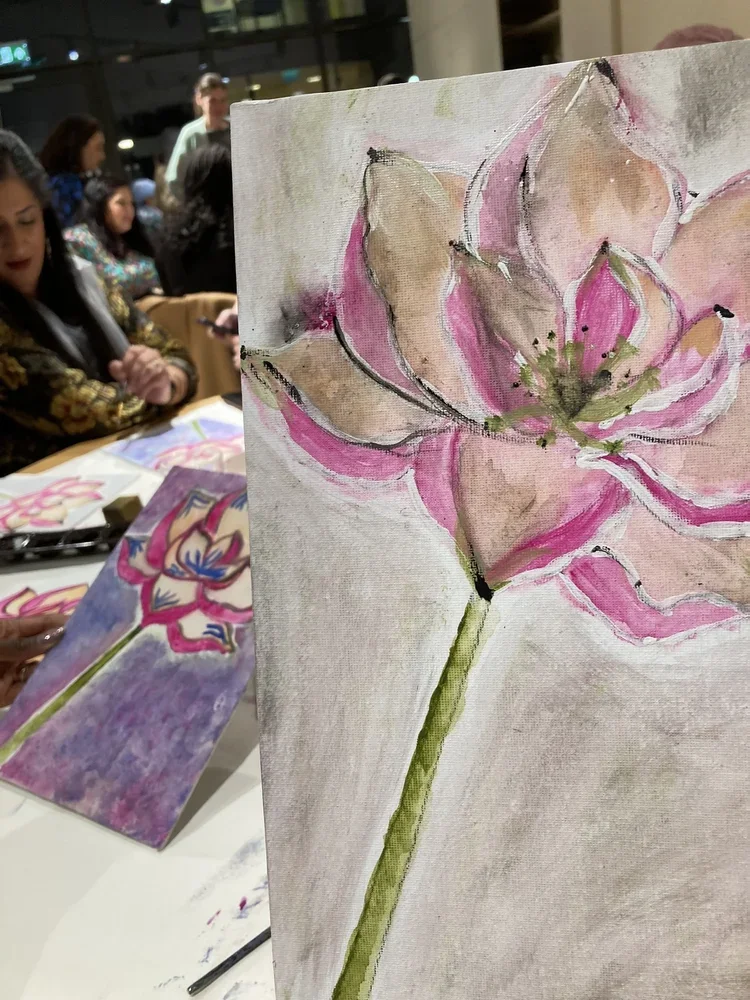
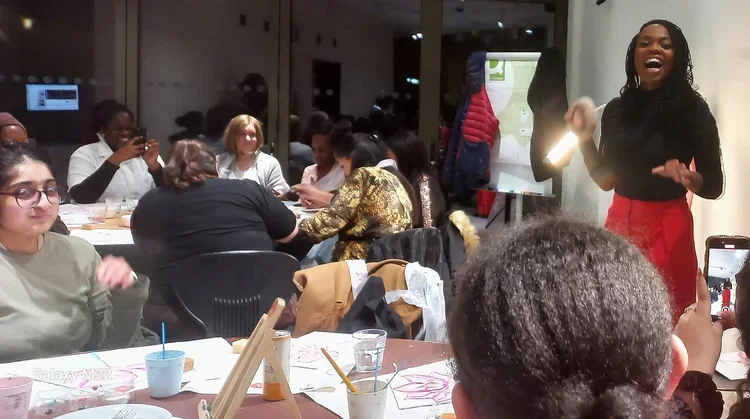
Together with Neelam Heera-Shergill, founder of charity Cysters, the Hope PMOS team led by Dr Carol Percy hosted a paint and sip event at Midlands Arts Centre, Birmingham on 31st January 2025, with special guest Dr Aziza Sesay. We discussed Hope for PMOS, a self-management support course for adults with PMOS.
PMOS and minoritised women in the UK
PMOS affects people differently across ethnic groups, with minoritised adults facing unique challenges:
Higher incidence: Some communities, e.g. those from South Asian backgrounds, are more likely to develop PMOS and other metabolic problems, such as type 2 diabetes.
Mental health disparities: PMOS is associated with an increased risk of mental health issues like depression and anxiety, and minoritised adults may feel less able to discuss their mental health concerns with healthcare providers.
Cultural barriers: Stigma, cultural taboos, and lack of awareness may prevent minoritised adults from seeking help, discussing PMOS symptoms openly, or getting support from the wider community.
During the event, findings from Hope for PMOS research were shared, including feedback the research trial participants:
“Most times when I see trials I just try to get involved because my demography is largely underrepresented.”
“I think I get emotional now. The fact that my condition was that important, that such a programme was developed and I could participate, that meant a lot. It opened these windows and you could see a road. It was like I was in a cell. It was my PCOS cell … and now the cell doesn’t exist”
We plan to continue partnering with charities like Cysters to ensure Hope PMOS is inclusive, culturally sensitive, supportive, and empowering for all.
Hope stories